
- News
- World News
- Europe News
- What we can learn from Finland’s public spaces
This story is from February 06, 2024
What we can learn from Finland’s public spaces
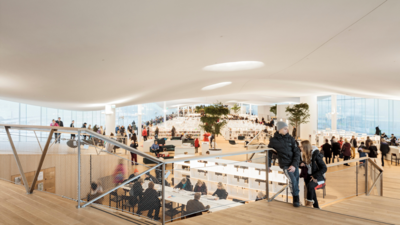
Oodi Library in Helsinki has everything from books to music and podcasting studios that are accessible to all. (Photo/ TNN)
End of Article
Follow Us On Social Media

Hot Picks
Top Trending
Tired of too many ads?go ad free now
Trending Stories
In World
Entire Website
- “She sues people”: Candace Owens takes aim at Nicola Peltz while discussing Brooklyn Beckham’s allegations
- iShowSpeed responds to criticism over skipping creator collaborations during Africa tour
- Vyro offers $300,000 in fan rewards for clipping MrBeast’s Beast Games episodes
- Katy Perry faces heat for space trip while attending Davos climate talks: 'Burned 498 tons of fuel'
- 'Torture, rape, killing': Former Pakistani cop ordered to be deported earlier from Canada gets to stay
- New York boy walks miles for help: 6-year-old survives ice tragedy; father, friend die
- Row over Trump’s hand bruise in Davos and ‘missing medical records’: ‘Two years of Biden’s health…’
- Missouri man sells a car to eight people on Facebook, then steals it back within 24 hours every time
- 'Canada thrives because...': Mark Carney's reply to President Trump's Davos dig
- Is Europe ready to boycott the 2026 FIFA World Cup over Trump’s threats to Greenland?
- MLB trade rumors: Chicago Cubs go all-in for a $400 million Detroit Tigers Cy Young-caliber arm and here's a deep-dive into why
- Rain lashes parts of Delhi; thunderstorms forecast, maximum temperature likely to drop to 18–20°C
- Mikaela Shiffrin and Lindsey Vonn's net worth: How two US ski icons built a million-dollar legacy
- Nate Diaz and Alexander Volkanovski's combined net worth: How two UFC stars built their wealth
- Brother-in-law stabs 30-year-old widow to death in jaipur after she refused his marriage proposal; accused on the run
- Chloe Kim’s net worth: How the Olympic snowboard star built her fortune
- NFL, NBA, NHL, MLB leaders to join Donald Trump at the Oval Office for 250th anniversary event plans
- David Moyes and Pamela Moyes combined net worth: Financial story behind the Premier League veteran
- Marcelo and Clarice Alves combined net worth: Examining Brazil star’s earnings, ventures, and financial milestones
- “Might have ruined his anniversary dinner”: Matt Arnold trades Freddy Peralta to David Stearns on wedding anniversary
Tired of too many ads?go ad free now

Explore Every Corner
Across The Globe
Gracie HuntPatrick MahomesMLB Trade RumorsTaylor SwiftTravis Kelce and Taylor Swift RomanceLamelo BallCandace OwensVanessa BrryantDonald TrumpCanada PM Mark CarneyH1 B Visa ScamShahbaz SharifSilver ETFGold Price TodayBudget Expectation 2026Alex DE MinaurNet WorthIndia EU TradeBudget 2026Adar PoonawallaCardi BNBA Betting SchemeDana WhiteJairzinho RozenstruikJosh AllenTom BradyKobe BryantsF1 MovieIndia US Trade TalksJoel EmbiidT20 World Cup 2026 Schedule
Hot on the Web
Amitabh BachchanJames CameronOscar 2026 NominationsSuniel ShettyJaaved JaaferiVasant Panchami WishesFake Sweet PotatoBorder 2 ReviewDraupathi 2Dhurandhar OTTRalph Waldo EmersonTere Ishq Mein OTTCountries With Govt. DebtBaby NamesF Scott FitzgeraldTom CruiseKumar SanuBaba Vanga Prediction 2026Palaash MuchhalRam CharanSenecaThe 50 ContestantsDhurandhar OTTThe 50 Contestants ListThe Raja Saab Box Office CollectionDhurandhar Movie CollectionAsia Longest RiverSunita Williams NicknamesDhurandhar Movie ReviewSaraswati Puja 2026William ShakespeareRiver That Flows BackwardsWorld Largest Beaver DamSnake Plant BenefitsQuote Of The Day By Thomas A EdisonLongest Venomous King CobraMoon LakeLara TrumpBaby Dinosaur Fossils Found in ArcticApple Service OutageDavos 2026
Trending Topics
Bangladesh Cricket TeamBangladesh Cricket PlayersRohit SharmaShubman GillT20 World Cup 2026Dallas CowboysTerry PegulaTom BradyPaddy PimblettClayton KellersJosh DoanMr BeastTop Goal ScorersMike MacdonaldMatthew StaffordVince DunnMyles GarrettLuke Hughe Injury UpdateKadokawa Corp ChairmanKai CenatDavante AdamsKyle ShanahanJalen HurtsRoman JosiCharles BarkleyA J BrownAdele NicollLebron JamesWho is Amber GlennAlex KillornWho was Wilbur WoodBest Mobile Phones Under 25000Deepinder GoyalSatya NadellaNyt ConnectionsSam AltmanRepublic Day Traffic RulesBill GatesElon MuskMark ZuckerbergApple iPhone 18 ProWordle Today
Popular Categories
HeadlinesSports NewsBusiness NewsIndia NewsWorld NewsBollywood NewsHealth+ TipsIndian TV ShowsTechnologyTravelEtimesHealth & FitnessChinese Horoscope PredictionsMarketsAstrologyWeather TodayGold Rate TodaySilver Rate TodayPlatinum Rate TodayIs Bank open todayIs Bank Open TomorrowBank Holidays January 2026Public Holidays January 2026DeorhiNFL ScheduleTechnology NewsInternational SportsPublic HolidaysBank Holidays
Trending Videos
Trump Hurts Himself At Board Of Peace Signing; Viral Pics Show Heavy Bruise On Left HandZelensky Picks Trump Over Europe, Announces Russia-US-Ukraine Trilateral | 'EU Needs To Be Stronger'Macron TROLLS Trump, Credits Europe's Unity For Defusing Greenland Tensions | 'Command Respect'Alan Jackson Defends Nick Reiner, Insists Murder Charges Don’t Hold Up | WATCH'GAS IS COMING!': Bovino Declares No End Date For Minneapolis ICE Crackdown After Viral Video Trump Vindicated? NATO's Greenland Farce 'EXPOSED'; Military Chiefs Confess 'No Political Guidance'Trump 'On Cloud 9' As NATO Boss 'Vows US Total Access To Greenland'; Confirms Golden Dome DeploymentTrump SNUBBED By Allies; 8 NATO Nations REJECT Trump’s Peace Board Over Greenland | ReportZelensky TRASHES EU For Putting 40 Troops In Greenland To Fight Russia, China | ‘What Can They Do?’Barron Trump Calls Cops From US After Hearing Friend Screaming On FaceTime | WATCH‘Missile Fired At US’: Vance Drops New Greenland Bombshell | Why Trump Needs Control Of ArcticZelensky RAGES At Europe For ‘Handing Success To Putin’; Makes Shocking Admission In Davos SpeechTrump 'Ruins' NATO Ties Over Greenland, Kicks Denmark Out Of Peace Board Launch | EU Allies 'Miffed'Delhi Court Acquits Arvind Kejriwal In ED Cases Linked To Excise Policy ProbeUP CM Yogi Adityanath inspects Major Dhyanchand Sports University in MeerutVadodara Headlines Today — Key Stories You Shouldn’t Miss.Allahabad Headlines Today — Key Stories You Shouldn’t Miss.Mamata Banerjee To Address Public Meeting In Singur, Says TMC leader Kunal Ghosh
Latest News
Kite Flying: An Allegory Of Meditative UnionUKPSC RO/ARO prelims exam 2024 postponed, admit cards released: Check detailed schedule and link to download hall ticketsSA20: 'Couldn't ask for a better start from Kagiso Rabada,' says Reeza Hendricks after MICT beat Paarl RoyalsIndian Armed Forces and Bajaj Auto embark on the ‘Dare Square’ rally'Kaun hai yeh?': Kapil Dev responds with humour to Yograj Singh's 'want to put a bullet' commentsWhy Stephen Baldwin thinks one of his brothers would fare better on special forces: 'A little stud muffin'Facebook founder doesn’t know who India's PM is; gets corrected by IT Minister Ashwini VaishnawDelhi polls: Atishi files nomination papers from Kalkaji seatSangam witnesses sea of devotees taking holy dip on Makar SankrantiFrom Sean 'Diddy' Combs protection plot to woke politics: LA wildfires spark surge of wild conspiracy theories'India cap shouldn't be given just like that': Sunil Gavaskar urges BCCI to trim squad size for England Test tourJimmy Kimmel Live launches L.A. fire relief donation center on Hollywood backlotChoreographer Bosco Martis is all praise for ‘Deva’ star, saying “Shahid Kapoor now dances like a superstar”Shruti Haasan discusses menstrual leave Says, 'We can apply it in some professions, but it is very difficult to apply it in cinema'Ram Charan’s Game Changer loses steam in North America as it struggles to cross US $1.9 million collectionDelhi police registers complaint against CM Atishi for using government vehicle for political purposeWWE RAW on Netflix Results and Highlights (1/13/25): Shocking Debut, Chaotic Street Fight Match and MoreMaha Kumbh 2025: Why is Harsha Richhariya the 'beautiful sadhvi' going viral on social media
Copyright © 2026 Bennett, Coleman & Co. Ltd. All rights reserved. For reprint rights: Times Syndication Service